Caffeine pouches vs coffee vs energy drinks: an honest comparison
Coffee, energy drinks or a caffeine pouch? We compare caffeine content, sugar, speed, cost and convenience, so you can pick what suits your day.
Three ways to get your caffeine
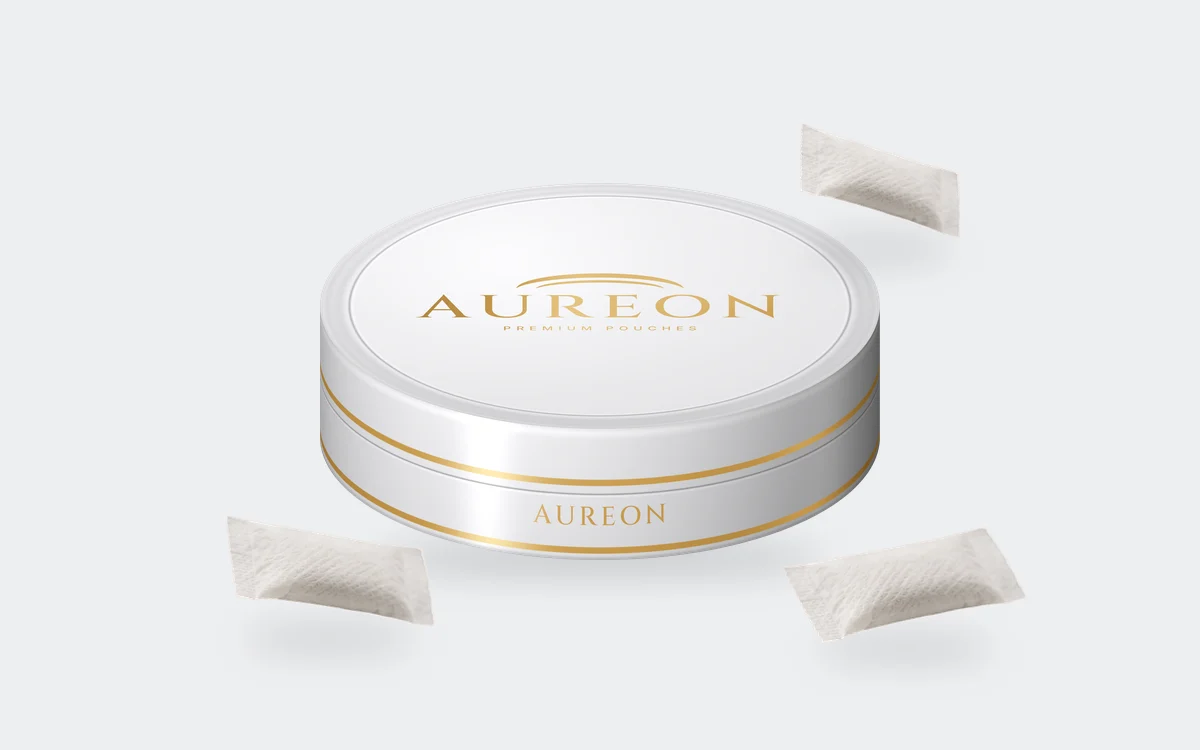
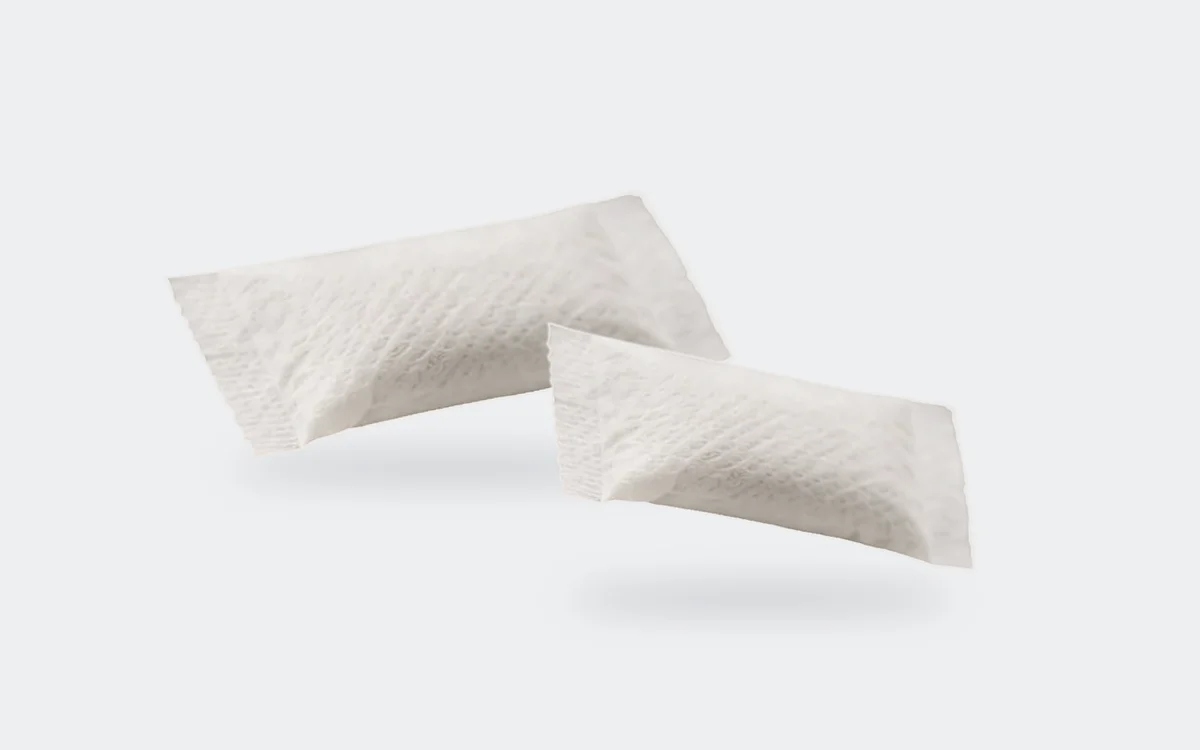
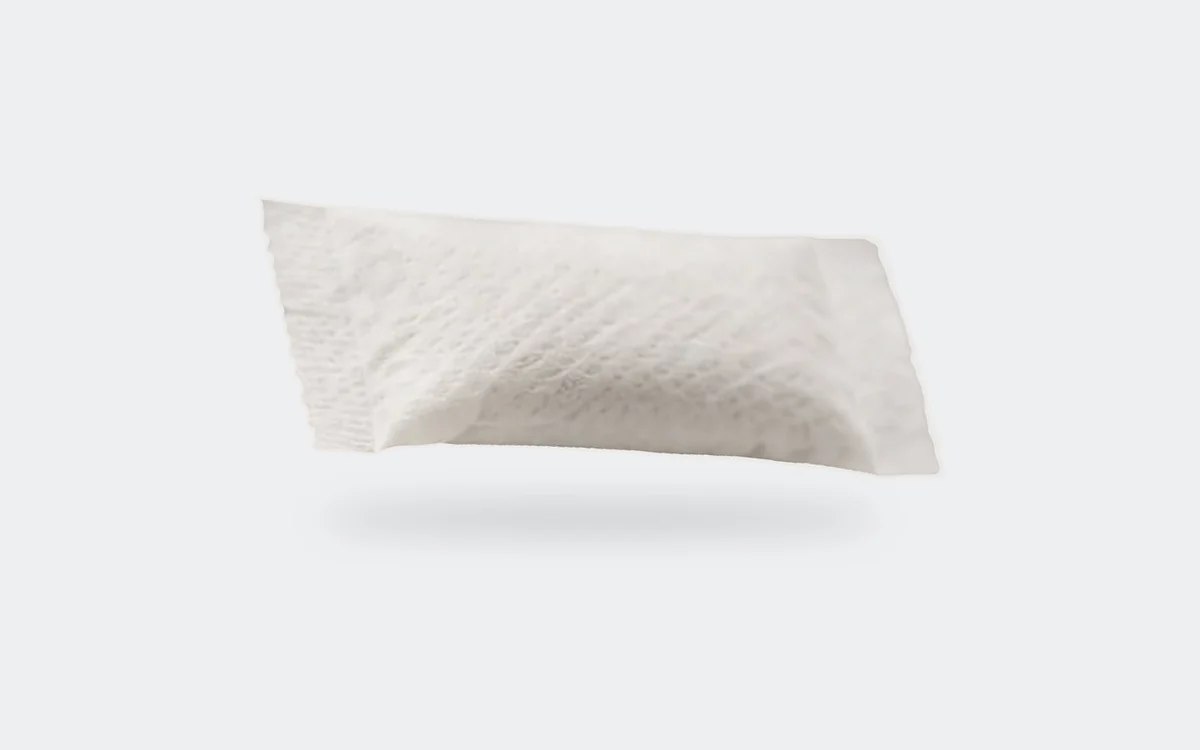
Most people get caffeine from coffee or energy drinks. Caffeine pouches are the newest option: a slim pouch you place under your upper lip, the same way people use snus, but with caffeine instead of nicotine. Each has its place, and the right choice depends on where you are and what you need.
Caffeine content
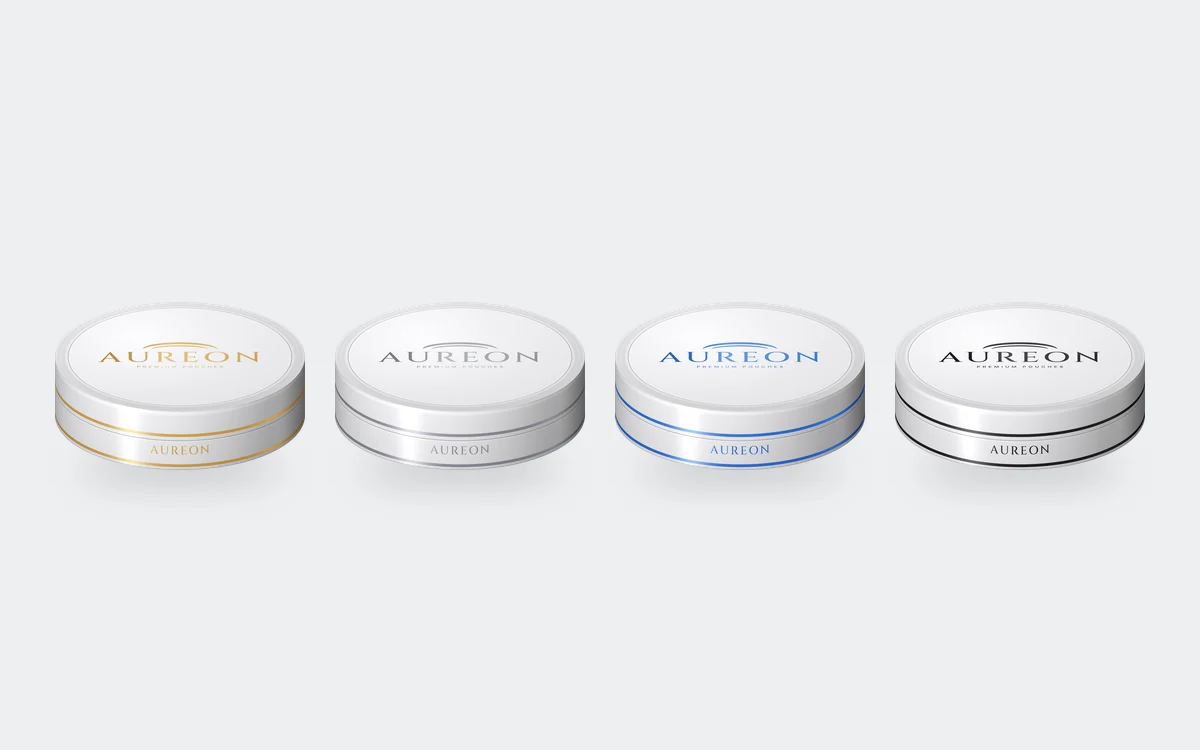
A cup of filter coffee usually has around 80 to 100 mg of caffeine, though it varies a lot with the beans and the brew. A 250 ml energy drink typically has about 80 mg. An AUREON Energy pouch has 77 mg and an AUREON Focus pouch has 75 mg, and that number is the same every time, which makes it easy to keep track of your daily intake.
Sugar and calories
A regular energy drink can contain up to 27 g of sugar per can. Coffee depends on what you add to it. AUREON caffeine pouches contain no sugar, so there is nothing to crash from.
Speed and convenience
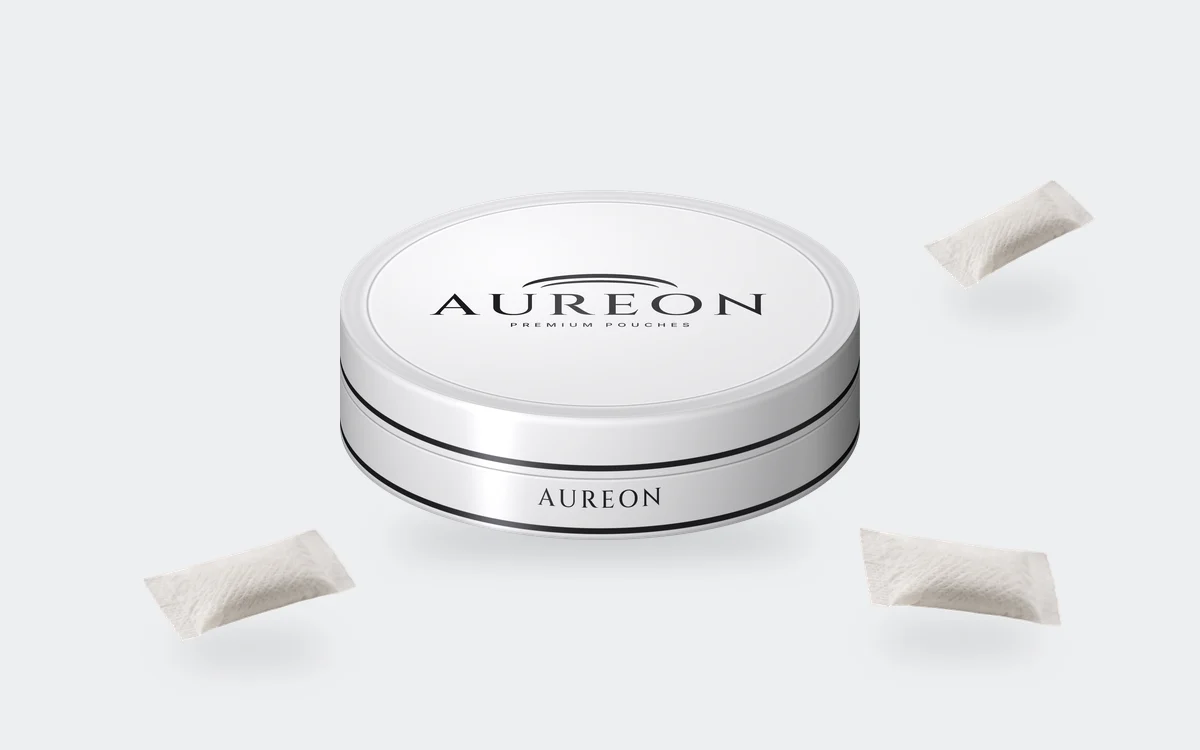
Coffee needs a machine, a cup and a few minutes. Energy drinks are heavy to carry. A can of pouches fits in any pocket and holds 20 servings. You can use one on a train, at your desk, in the gym or in a meeting without anyone noticing.
Cost per serving
A takeaway coffee in Europe often costs €3 or more. An energy drink costs around €1.50 to €2.50. With AUREON, one can of 20 pouches costs €4, which works out at €0.20 per pouch, or less with a 5 or 10 can pack.
So which is best?
If you enjoy the ritual of a good coffee, keep it. If you want a quick, sugar-free lift you can take anywhere, a caffeine pouch is hard to beat. Many people use both: coffee in the morning, a pouch in the afternoon. Just remember to count all of it towards your daily total.